


I often find that the way a roof extends outward can completely shift how a house sits against its surroundings, especially when the goal is to manage sun and rain without extra screens or shutters.
When I look at modern tropical homes, the overhangs tend to be the first thing that registers from the street, before the windows or the materials even come into focus.
It changes the whole balance.
I have started noticing how the depth needs to match the wall height, otherwise the front can start to feel either squat or oddly top heavy depending on the angle of light.
Testing a modest overhang addition on a side entry at my place is probably the first exterior adjustment I would try if I wanted to borrow from this approach.
Deep Overhangs That Add Usable Shade

A deep roof overhang does more than just look modern. It turns the area right outside the doors into a space you can actually use during the day without fighting the sun. In this house the wide overhang stretches far enough to cover the porch and keep the concrete cool underneath.
This approach works best on houses that already have a simple roofline. Keep the overhang at least three or four feet deep if you want real shade, and make sure the supporting posts do not block the view or the flow from inside to out. It pairs well with open tropical lots where afternoon sun hits hard.
Deep Roof Overhangs That Shade The Outdoor Areas
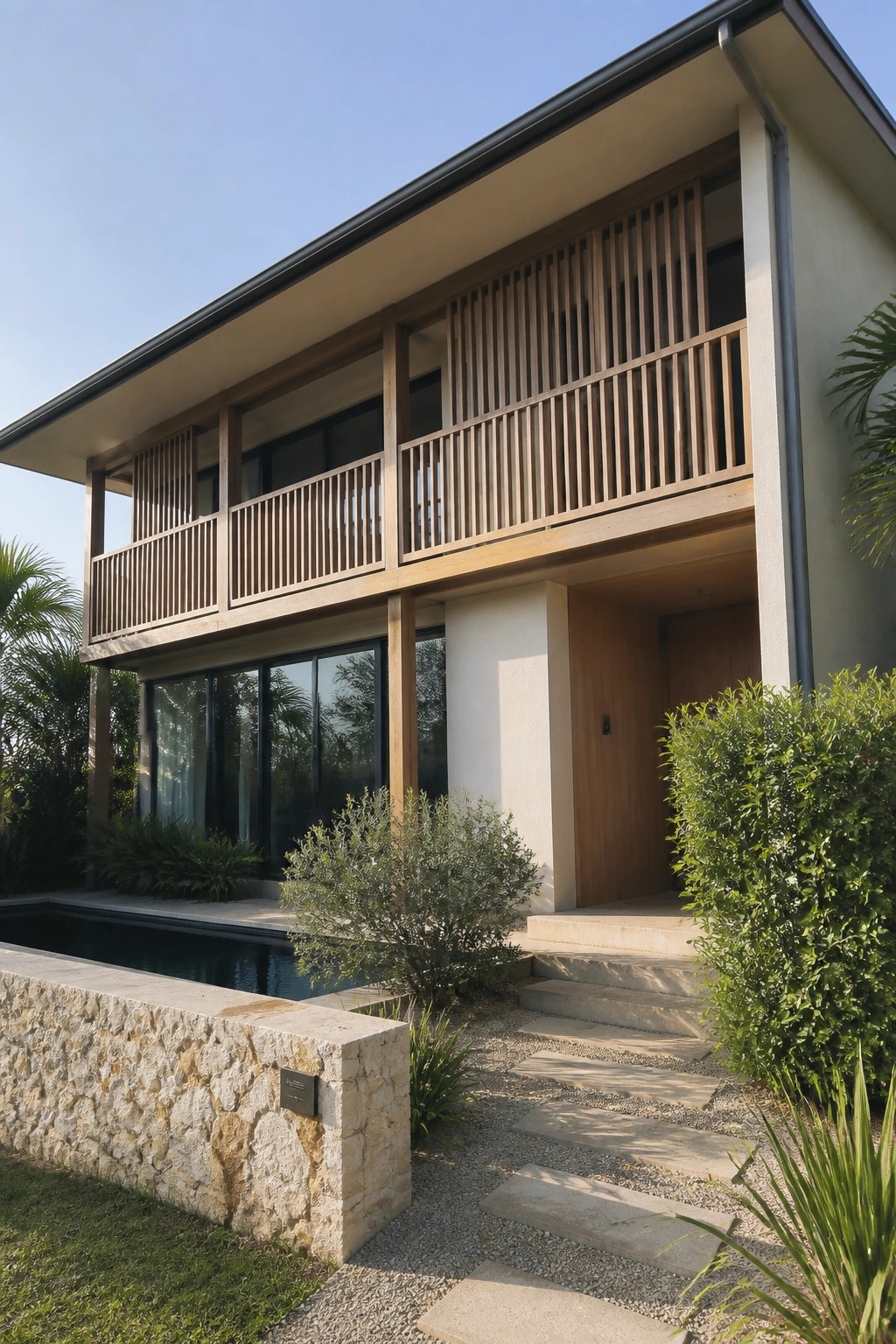
Deep roof overhangs make a big difference in warm climates because they block direct sun without blocking the view or airflow. In this house the roof extends far enough to cover the upper balcony and the entry below, so the lower level stays cooler even in the middle of the day.
This approach works well on houses that face open yards or pools. Keep the overhangs at least three or four feet deep and match them to the width of any decks or patios underneath. The result is usable outdoor space that does not need extra shade structures or heavy curtains.
Deep Overhangs For Reliable Outdoor Shade

Extending the roof well past the walls gives an outdoor space real shade without extra screens or pergolas. In warm climates this simple move keeps the area usable through the middle of the day instead of only early morning or late afternoon.
It suits homes with a pool or seating right outside the main living area. The covered zone stays cooler, so people actually spend time there rather than moving back indoors when the sun gets strong.
Deep Roof Overhangs For Everyday Shade

A deep roof overhang gives the side of the house real protection from sun without adding separate shade structures. It keeps the deck and windows cooler during the hottest parts of the day and lets the indoor spaces stay comfortable even when the doors stay open.
This works best on homes that sit low to the ground with living areas that open straight onto a deck. Keep the overhang depth in proportion to the height of the windows so the shade actually covers the seating area instead of stopping short of it.
Deep Roof Overhangs For Shaded Patios

A deep roof overhang makes a big difference when you want to use the space right outside without fighting the sun all day. In homes like this one, the extended roof covers the lounge area and keeps the concrete cool enough to walk on barefoot even in the middle of the afternoon.
This approach works especially well on houses that open straight onto a pool or terrace. Just make sure the overhang reaches far enough out so the seating stays in shade during the hottest hours, and pair it with simple paving that does not get too hot.
Deep Roof Overhangs That Create Usable Shade
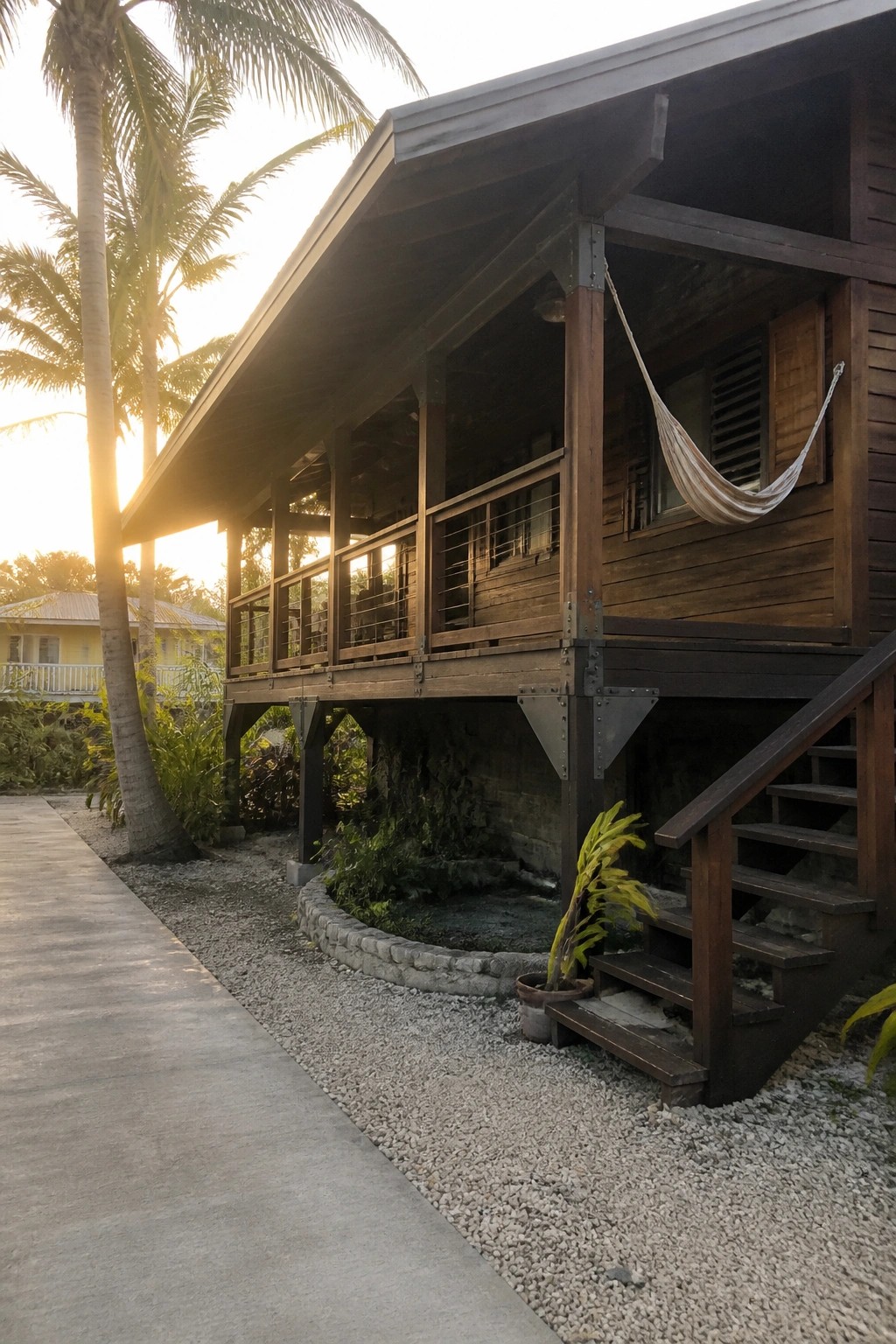
Many tropical homes use a roof that stretches well past the walls. This simple move shades windows and the area right outside without adding separate covers or screens.
It suits houses set up on posts or pilings, where the extra depth also helps keep rain off the siding and deck. The key is making the overhang deep enough to matter during the hottest part of the day.
Deep Roof Overhangs That Shade Outdoor Seating Areas
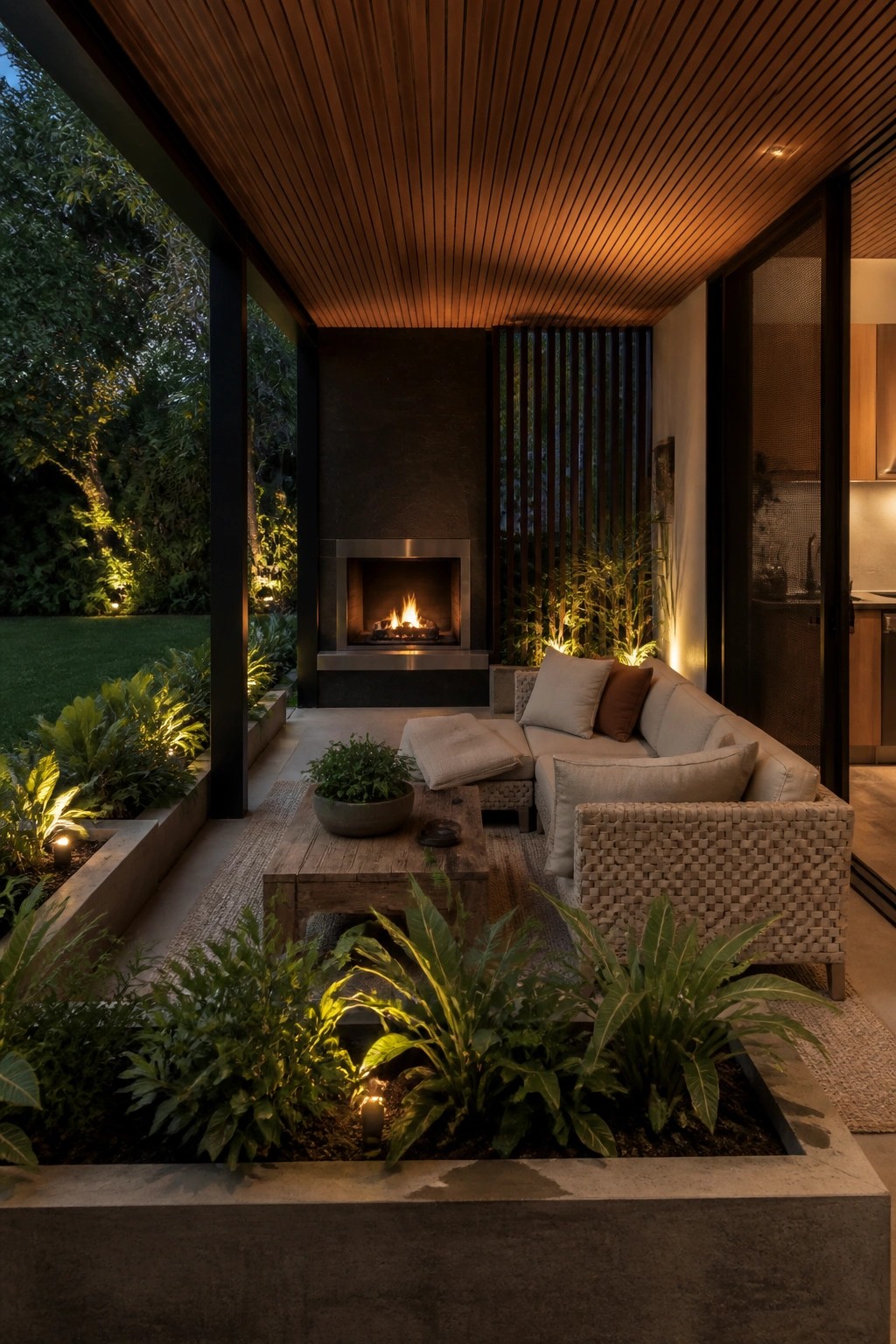
A deep roof overhang makes an outdoor space feel usable even when the sun is high. It creates a clear boundary between the house and the garden while still keeping the area open and connected.
This approach works best on homes in warm climates where shade matters more than extra square footage. Place seating and a simple fire feature under the overhang, then let low planting fill in around the edges so the whole zone feels grounded without feeling closed in.
Deep Roof Overhangs for Shaded Entries

Deep roof overhangs give the front of a house real shade without adding extra structures. They keep the entry area and nearby walkway cooler in hot climates and cut down on direct sun hitting the door and walls.
This works best on homes with straightforward shapes and open paths. Pair the overhang with simple paving and a few low plantings so the shade feels useful rather than heavy.
Deep Roof Overhangs For Shaded Outdoor Dining

A deep roof overhang makes outdoor dining practical in warm climates by keeping the table and chairs in shade most of the day. This simple extension turns a patio into a space people actually use instead of avoiding during peak sun hours.
It works especially well when the kitchen sits just inside the glass doors so meals move easily from prep to table. Use durable natural materials for the seating and keep the floor simple so the whole area feels connected rather than separate.
Deep Roof Overhangs for Shaded Entries

A deep roof overhang can make the front of a house much more comfortable in warm weather. It extends far enough to cover the main door and nearby windows, cutting down on direct sun while still letting in light.
This works especially well on houses that face west or have lots of glass near the entry. It reduces heat gain inside and gives a bit of shelter during rain without needing extra structures right at the door.
Deep Overhangs Shade Outdoor Living Areas

A wide roof overhang turns an open patio into a shaded room that stays comfortable through the day. The wooden ceiling extends far enough to cover dining and cooking zones while still opening to the garden beyond.
This approach works best on homes where living spaces connect directly to the yard. Keep the main seating and table under the overhang so they stay cool, and let the edges blend into the surrounding planting without extra barriers.
Deep Overhangs That Keep Paths Comfortable

A deep roof overhang turns a simple walkway into a space you can actually use during the day. In this setup the wide concrete ceiling blocks direct sun while still letting light filter in from the sides, so the path stays cooler without feeling closed in.
This approach works well on homes with long outdoor connections between rooms or garden areas. It suits tropical climates where afternoon heat makes uncovered paths hard to use, and it pairs best with simple materials like concrete and wood that do not need much maintenance.
Built-In Benches Under Roof Overhangs

A built-in bench along the back wall makes the most of the covered space without crowding the floor. It stays protected from rain and sun, so the seating stays usable even in the middle of the day. The concrete surface also keeps things simple since it does not need cushions or constant upkeep.
This setup works especially well on homes with deep overhangs in warm climates. It turns the area under the roof into a real extension of the living space rather than just a walkway. Keep the bench low and the cushions minimal so the whole spot still feels open and easy to move through.
Deep Roof Overhangs for Shaded Patios

A deep overhang makes the patio feel like a natural extension of the house instead of a separate spot that gets too hot to use. In warm climates it turns the area right outside the doors into a place people actually sit during the day without needing extra umbrellas or screens.
This works best on homes with pools or terraces where the roof can stretch far enough to cover seating and walkways. Keep the supports simple so the shade stays open and the space still feels connected to the garden.
Deep Roof Overhangs For Everyday Shade
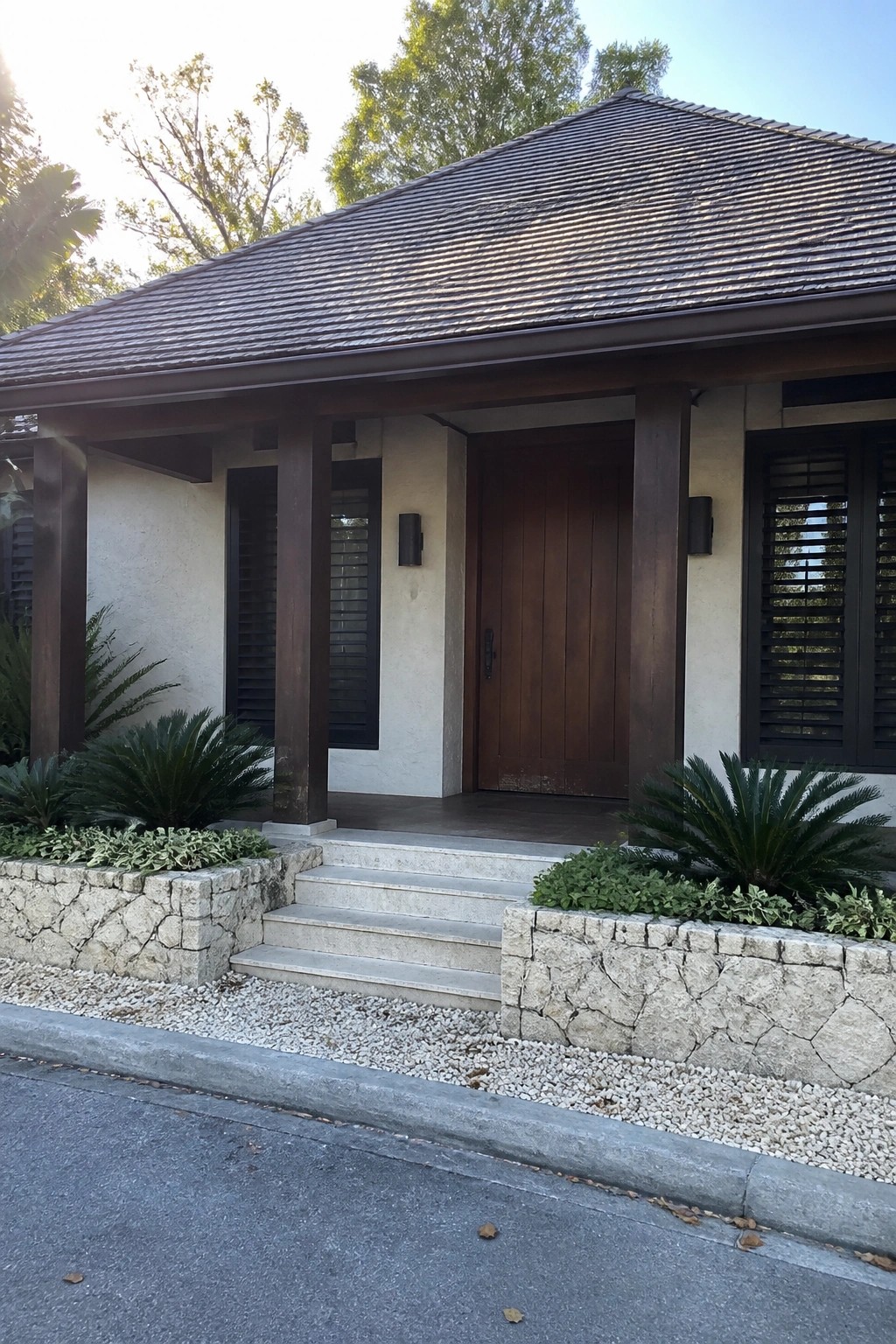
A deep overhang makes a noticeable difference in hot climates because it blocks direct sun from hitting the walls and windows. In this house the roof extends well past the front wall, creating a shaded zone right at the entry that stays cooler through the middle of the day.
This detail works best on homes with simple roof forms and wide front steps. Keep the overhang at least four feet deep if you want real shade, and make sure the supporting posts do not block the walkway. It is a straightforward change that cuts heat gain without adding extra rooms or equipment.
Shaded Outdoor Living With Deep Roof Overhangs

Deep roof overhangs turn an ordinary patio into a space that stays usable through most of the day. The extra depth blocks direct sun while still letting in light and views, so you can keep a grill, counter, and seating outside without everything heating up or getting wet.
This approach suits houses in warm, wet climates where people want to spend time outdoors without constant glare or sudden downpours. Place the overhang over the main living side of the house and keep the structure simple so the covered zone feels like a natural extension of the rooms behind it.
Deep Roof Overhangs For Shaded Outdoor Areas
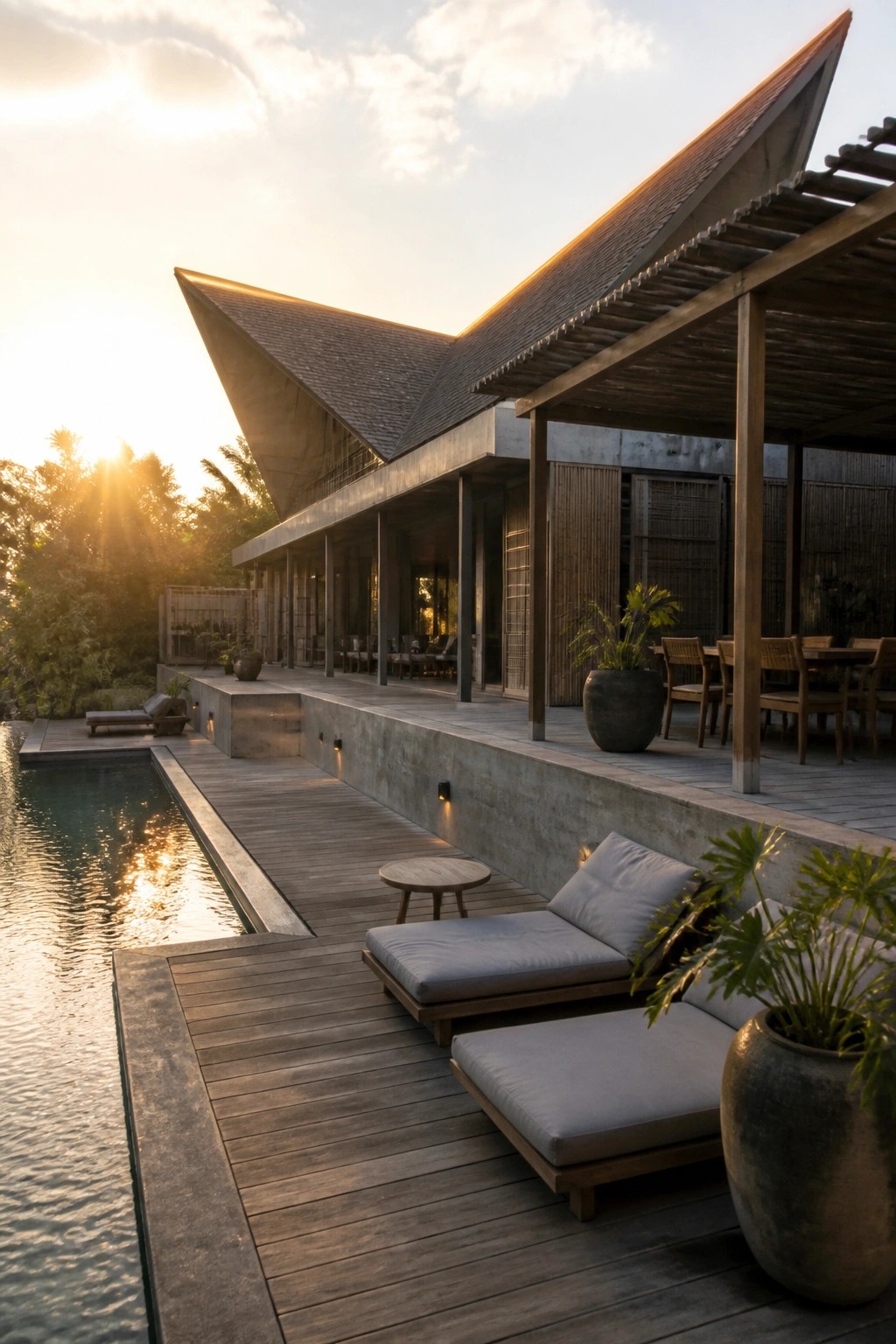
Deep roof overhangs make outdoor spaces usable during the hottest parts of the day without adding separate shade structures. They extend the roofline far enough to cover seating and dining zones right next to the house, so the deck stays comfortable even when the sun is high.
This approach works well on homes with wide decks or pool edges where people spend time outside most of the year. Keep the overhang depth in proportion to the roof pitch so air still moves through the space and the area does not feel boxed in.
Deep Overhangs Shape a Shaded Entry
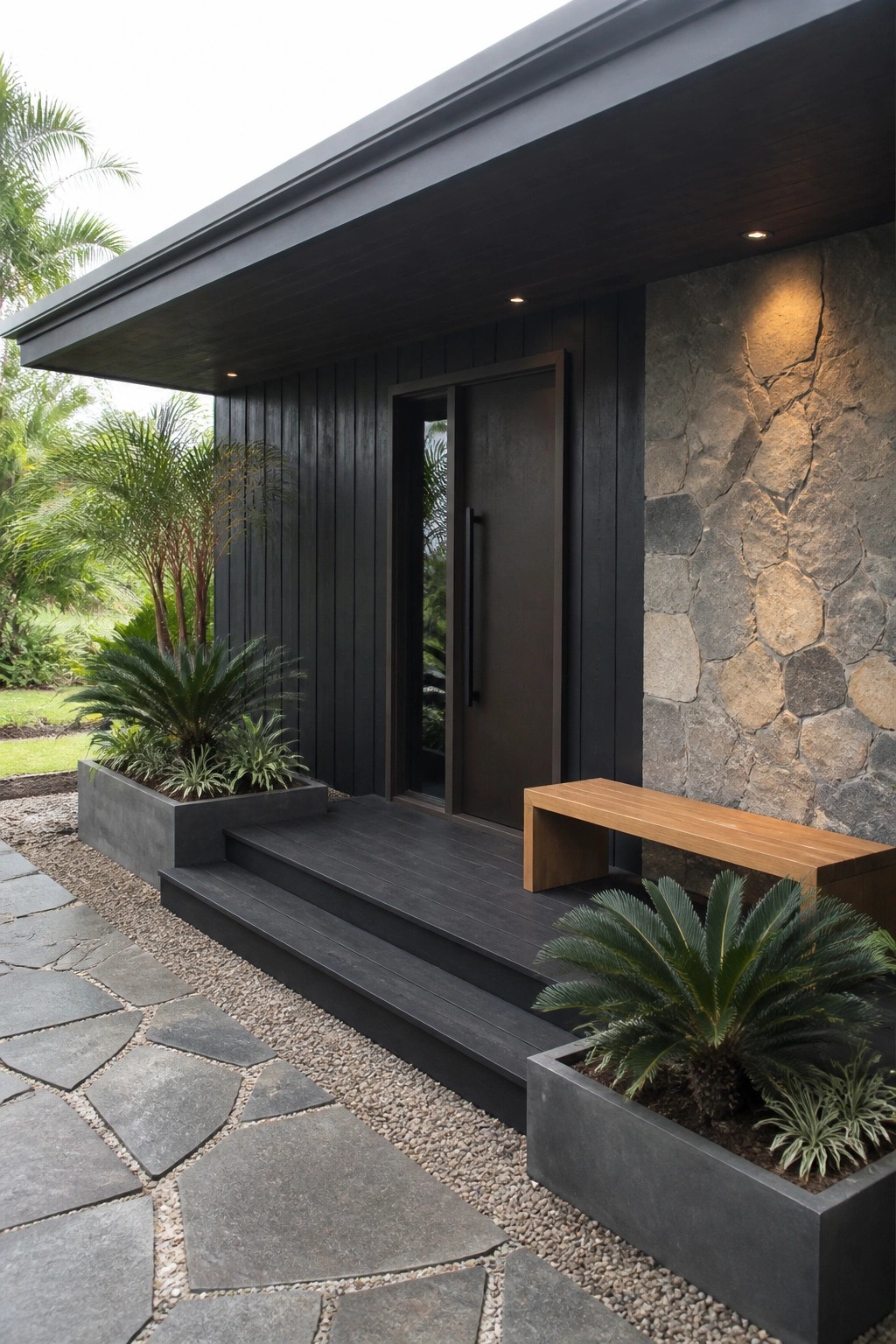
A deep roof overhang right over the front door makes the entry feel protected without adding extra posts or a separate porch roof. In tropical climates it blocks sun and rain while keeping the house looking clean and simple.
This approach works best on homes with dark siding and stone accents because the shadow line adds contrast and keeps the facade from feeling flat. Aim for at least three feet of overhang so the door and steps stay usable during the middle of the day.
Deep Roof Overhangs That Shade the Porch

A wide overhang like this one turns the side of the house into usable space without adding any extra structure. It blocks direct sun while still letting light reach the windows, so the porch stays comfortable even in the middle of the day.
This approach works especially well on houses that already have a simple roofline. Keep the overhang at least three feet deep if the goal is real shade, and pair it with low plantings along the base so the covered area feels connected to the yard rather than closed off.
Deep Roof Overhangs for Shaded Decks
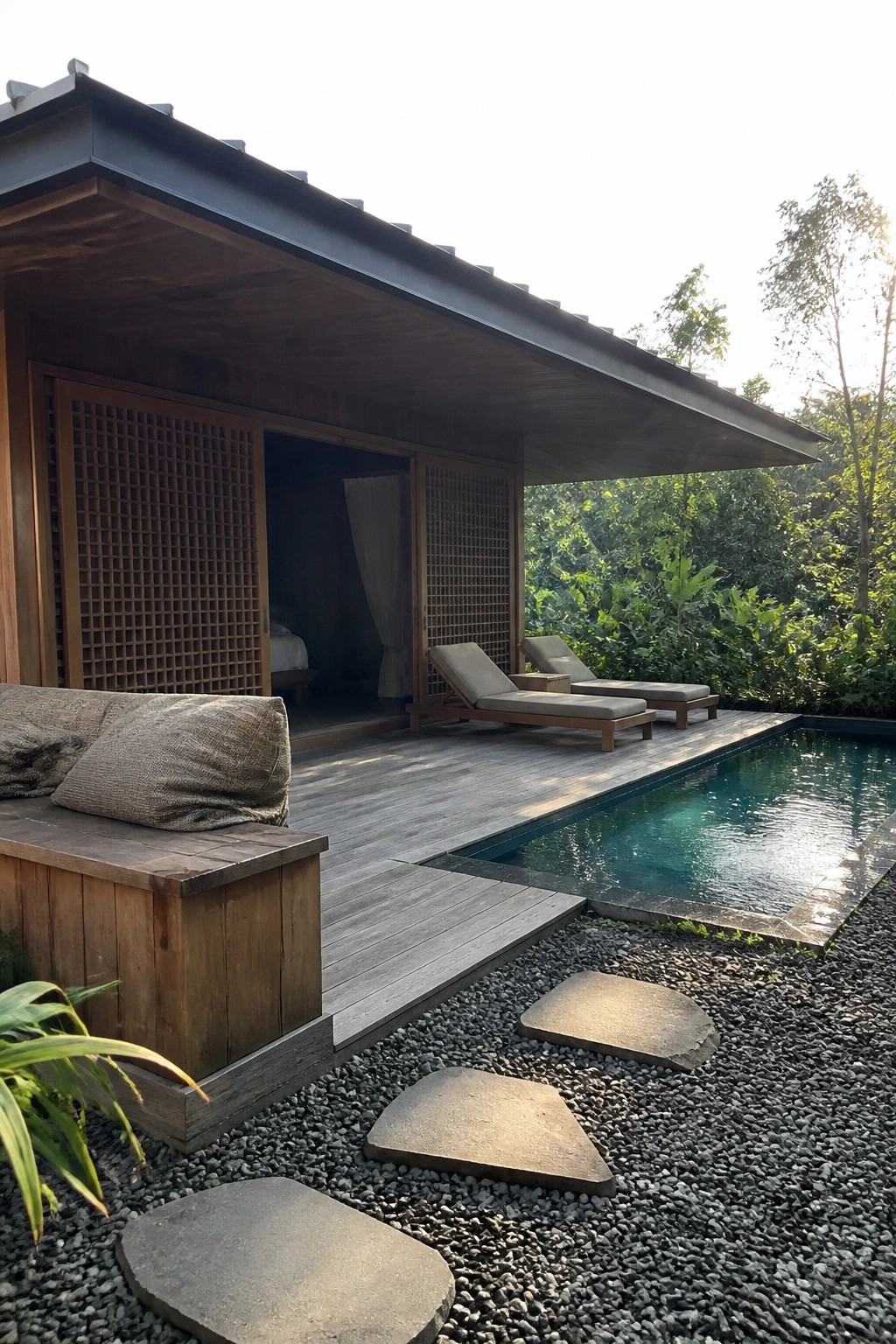
A deep roof overhang gives the deck real protection from the sun without adding extra shade structures. It keeps the seating area comfortable through the hottest part of the day and lets the space feel like a true extension of the house.
This works best on homes in warm climates where people want to use the deck and pool area every day. Keep the overhang wide enough to cover the main seating spots and choose simple materials that match the house so the whole thing stays practical and low maintenance.
Deep Roof Overhangs For Everyday Shade

Deep roof overhangs give a house real shade without needing extra structures. They block direct sun from windows and doors while still letting in light, which keeps the interior cooler during hot months. This approach works especially well in tropical climates where the sun stays strong most of the year.
The key is to extend the roof far enough to cover walkways and entry areas. It suits single-story homes with open front spaces and pairs well with simple materials like brick columns or wood siding. Just make sure the overhang depth matches the local sun angle so it actually provides useful coverage instead of just looking dramatic.
Deep Roof Overhangs For Everyday Outdoor Use
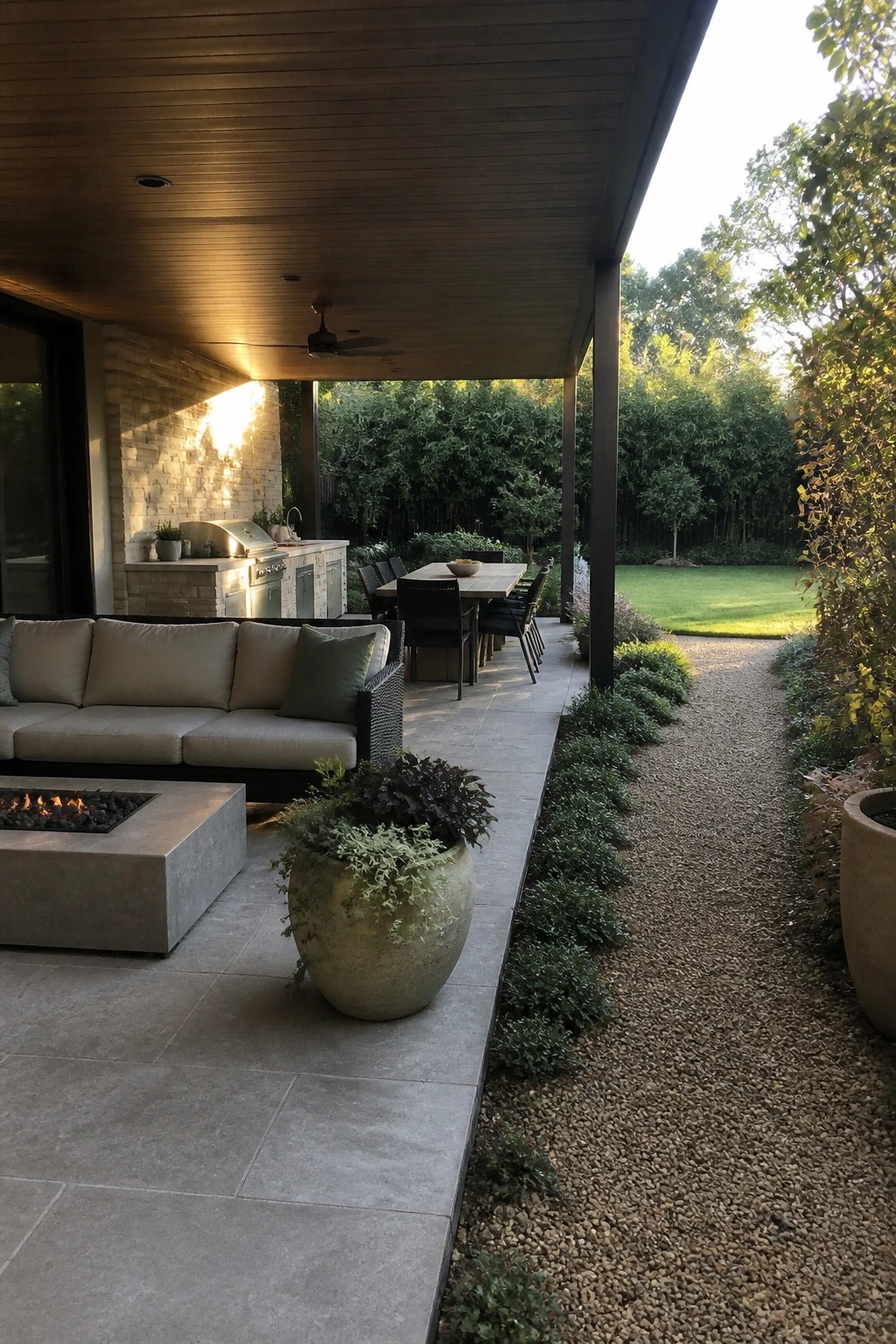
A deep roof overhang turns an open patio into a space that stays comfortable without extra shade structures. It blocks strong sun while still allowing air to move through, so the area can be used for meals or relaxing even in the middle of the day.
This approach suits homes in warm climates where people want more time outside without fighting the heat. Keep the ceiling simple, add a fan if needed, and choose furniture that can stay in place year round.
Frequently Asked Questions
Q: How far out do the overhangs need to reach to shade the main living spots? A: You push the roof edge out until it covers the windows and seating areas from the high midday sun. This creates a cool zone right next to the glass without blocking every breeze. Walk outside at noon and the difference hits you right away.
Q: What about heavy rain with these big overhangs in place? A: Water sheets off the far edge and stays clear of the windows and doors. You can leave the sliders open during a downpour and still keep the floors dry. The design turns the roof into a natural shield.
Q: Do the deep roofs cut out too much daylight inside the rooms? A: The overhangs sit high so plenty of sky light still reaches the windows. Open layouts help bounce that light deeper into the space. Rooms stay bright without the glare.
